Submitted by admin on February 13th, 2026
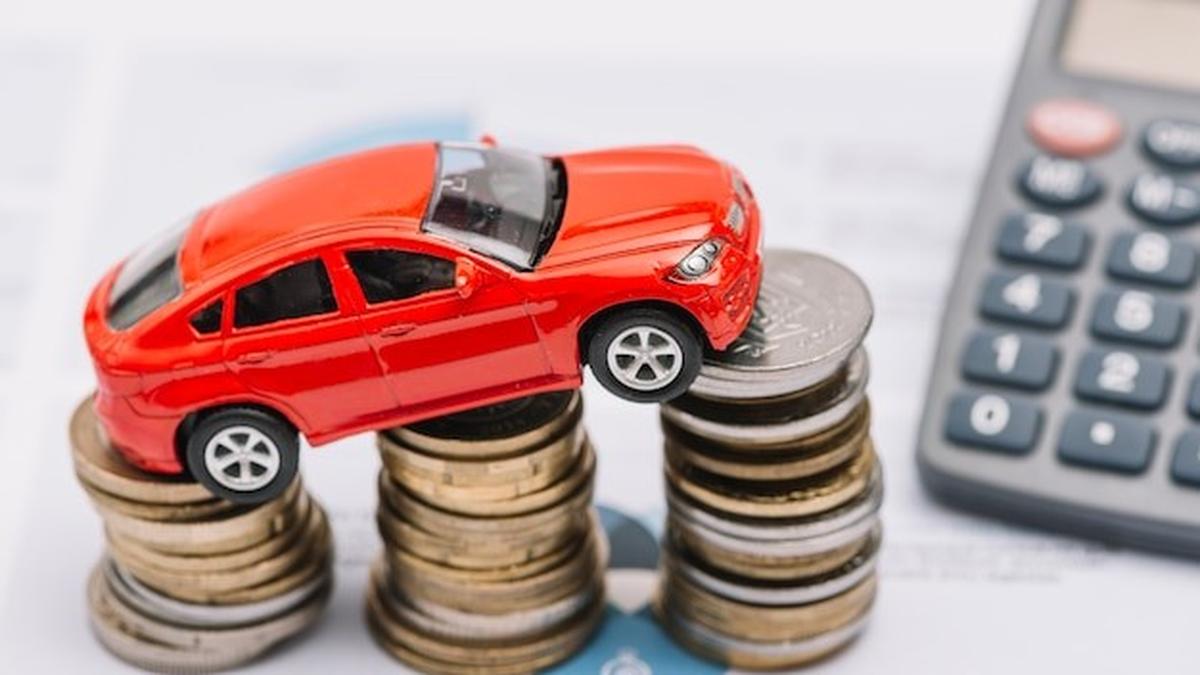
One of the top preferred forms of financing to people purchasing a vehicle in India is car loans. The interest rates of car loans have been influenced by the competition between banks and NBFCs, stable RBI policies, and increasing automobile demand in 2026. Learning about the recent rates and other important influencing factors can enable the borrowers to make an informed decision and minimize the overall cost of borrowing.
The interest rates of car loans in India are an average of 7.5 percent to 14 percent per annum in 2026. The lowest interest rates are normally given by the public sector banks whereas the remaining banks and NBFCs impose slightly higher interest as long as they get to approve and grant them on flexible eligibility conditions.
Public Sector Banks: Around 7.5% – 10.5%
Private Banks: Around 8% – 13%
NBFCs: Around 9% – 14%
The true interest charged to a borrower varies according to aspects like credit score, earnings, type of employment, model of the vehicle and term of the loan.
The most important elements that influence interest rates of car loan.
Credit Score: Borrowers getting an interest rate of less than 750 tend to have the lowest interest. The low score may result in the increased rates or even rejection.
Income and Employment Stability: Those with stable income like salaried people, and self-employed professionals with stable income would be low-risk borrowers.
Tenure of the loan: Shorter tenure is often associated with low interest rates and, longer tenure, with the addition of interest load.
Vehicle Type: The rates of new car loans are usually lower than the used car loans. The luxury cars can also be charged a little higher.
Down Payment: The larger the down payment, the less risk the lender is exposed to and also it can assist in getting better rates.
EMIs are greatly influenced by interest rates. To illustrate, a 5 year car loan amounting to [?]10 lakh with interest rate of 8 percent will have a low EMI as compared to the same loan with an interest rate of 11 percent. Such a little variation of interest rate (even 1-2 percent) may result in significant savings during the tenure of the loan. It is, thus, important to compare lenders prior to application.
Car loan interest rates in India are competitive in 2026 providing buyers with several cheap means of financing. Having knowledge of the existing trends and the ability to enhance their eligibility factors, borrowers will be able to attract lower interest rates and avoid spending too much money on a car loan. The most appropriate car loan to be taken in the changing world of financial landscape is still about careful planning and comparison.
Int Rates : 10.5% - 22%
Loan Amount: ₹ 1,00,000.00
Maximum Tenure - 7 Years
Lowest EMI : ₹ 1,686
Interest Rate 13.99% - 24.99%
Loan Amount: ₹ 1,00,000.00
Maximum Tenure – 5 Years
Lowest EMI : ₹ 2,326
Interest Rate 9% - 13%
Loan Amount: ₹ 1,00,000.00
Maximum Tenure – 20 Years
Lowest EMI : ₹ 1,014
Interest Rate 8.40% - 12%
Loan Amount : ₹ 1,00,000.00
Maximum Tenure – 35 Years
Lowest EMI – ₹ 739
